
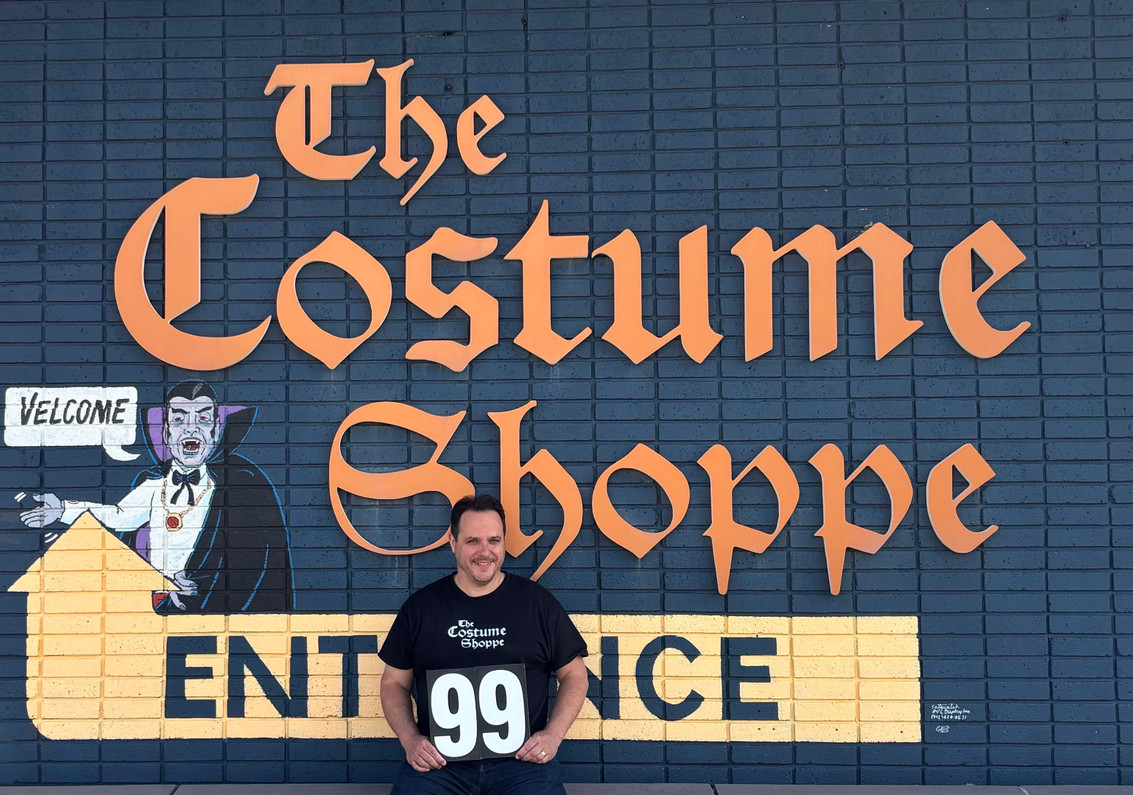
Trick or Treat Was Born in Alberta, Canada — The 99-Year Story Behind Halloween’s Most Famous Phrase
Every October, billions of people around the world say the same two words.
Trick or treat.
The phrase is so embedded in Halloween that most people have never stopped to ask where it actually came from. The answer isn’t Hollywood. It isn’t New York. It isn’t an American candy company campaign.
The earliest known printed use of ‘trick or treat’ appeared in Alberta, Canada, in 1927. This year, that makes the phrase 99 years old. Next year, it turns 100.
That milestone belongs to Canada — and Alberta is where it started.
The 1927 Alberta Record — Confirmed by Multiple International Sources
On November 3rd and 4th, 1927, Alberta newspapers printed the phrase “trick or treat” for the first time in recorded history.
The Blackie Times, a community paper from the small hamlet of Blackie in southern Alberta, reported that local kids had gone door to door on Halloween night demanding what the paper called “edible plunder.” The Calgary Daily Herald ran a nearly identical report the same day from High River — just 25 kilometres from Blackie — describing children going door to door “heavily disguised and demanding ‘trick or treat.’” The report was also carried in The Lethbridge Herald.
“The youthful tormentors were at back door and front demanding edible plunder by the word ‘trick or treat’ to which the inmates gladly responded and sent the robbers away rejoicing.” — The Blackie Times / The Lethbridge Herald, November 1927
This isn’t local legend. The Alberta origin has been confirmed by some of the world’s most authoritative sources:
- National Geographic confirmed the 1927 Alberta newspaper as the earliest known printed use of the phrase, citing etymologist Barry Popik’s research.
- Merriam-Webster traced the earliest known examples to Alberta and Saskatchewan, Canada, in the 1920s.
- The Smithsonian Institution cited the same Alberta origin in its online magazine.
- CBC News covered the story in depth, connecting the phrase to Blackie and Lethbridge, Alberta.
- Global News reported on the discovery, with local historians calling it “one of those things where first, it surprised us, then we had to try and verify it.”
Two Alberta towns. Same phrase. Same night in 1927. Confirmed by historians in Canada, the United States, and internationally.
How Trick or Treat Spread Around the World
The phrase was new in 1927. The tradition behind it was ancient.
Halloween traces its roots to the Celtic festival of Samhain — the end of the harvest season, the threshold between the living world and the dead. Medieval European Christians observed Hallowmas, when people went door to door offering prayers in exchange for food, a practice called souling. The custom of dressing in costume to ward off spirits, or blend in among them, was layered on top over centuries.
European immigrants brought those traditions to the Canadian prairies. What Alberta added in 1927 was the two words that crystallized everything into a single, universal phrase.
By the 1930s, costumed trick-or-treaters were common in Calgary, Edmonton, and communities across Alberta and Canada. After the Second World War, the tradition crossed into the United States, where it was picked up by candy companies, popularized in Peanuts comic strips in 1951, and spread globally through American pop culture.
Today the phrase is recognized in Scotland, Ireland, the UK, Australia, Japan, and increasingly across Europe and Latin America — where similar door-to-door traditions have their own names and customs, from “guising” in Scotland and Ireland to “calaverita” in Mexico.
Two words. Two Alberta towns. Ninety-nine years later, the whole world says them.
What This Means for Alberta and Canada
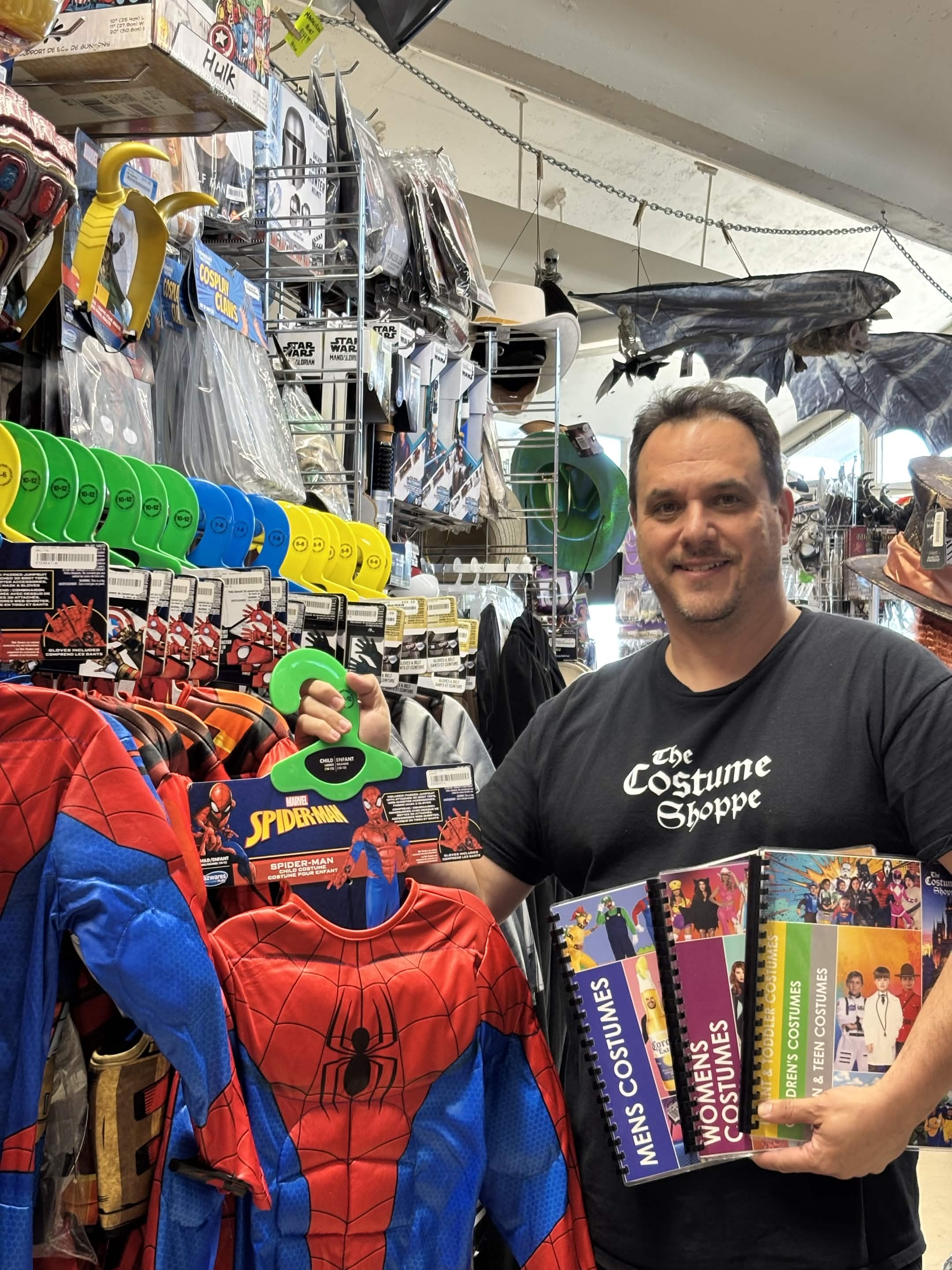
The Calgary Stampede has been running since 1912. Trick or treat has been running since 1927. Both born in Alberta. Both celebrated around the world. Both traditions that bring people together in costume, in celebration, and in the kind of shared joy that only happens when a whole community decides to show up for a moment.
Halloween 2027 marks the 100th anniversary of the phrase. Canada is the only country on earth with the right to lead that celebration. Alberta is where it started.
The Costume Shoppe has been helping Calgarians dress up since 1994 — through every Halloween this city has had for over thirty years. We intend to be front and centre for year 100.
Stay tuned. We’re already planning something.
Come Find Your Look
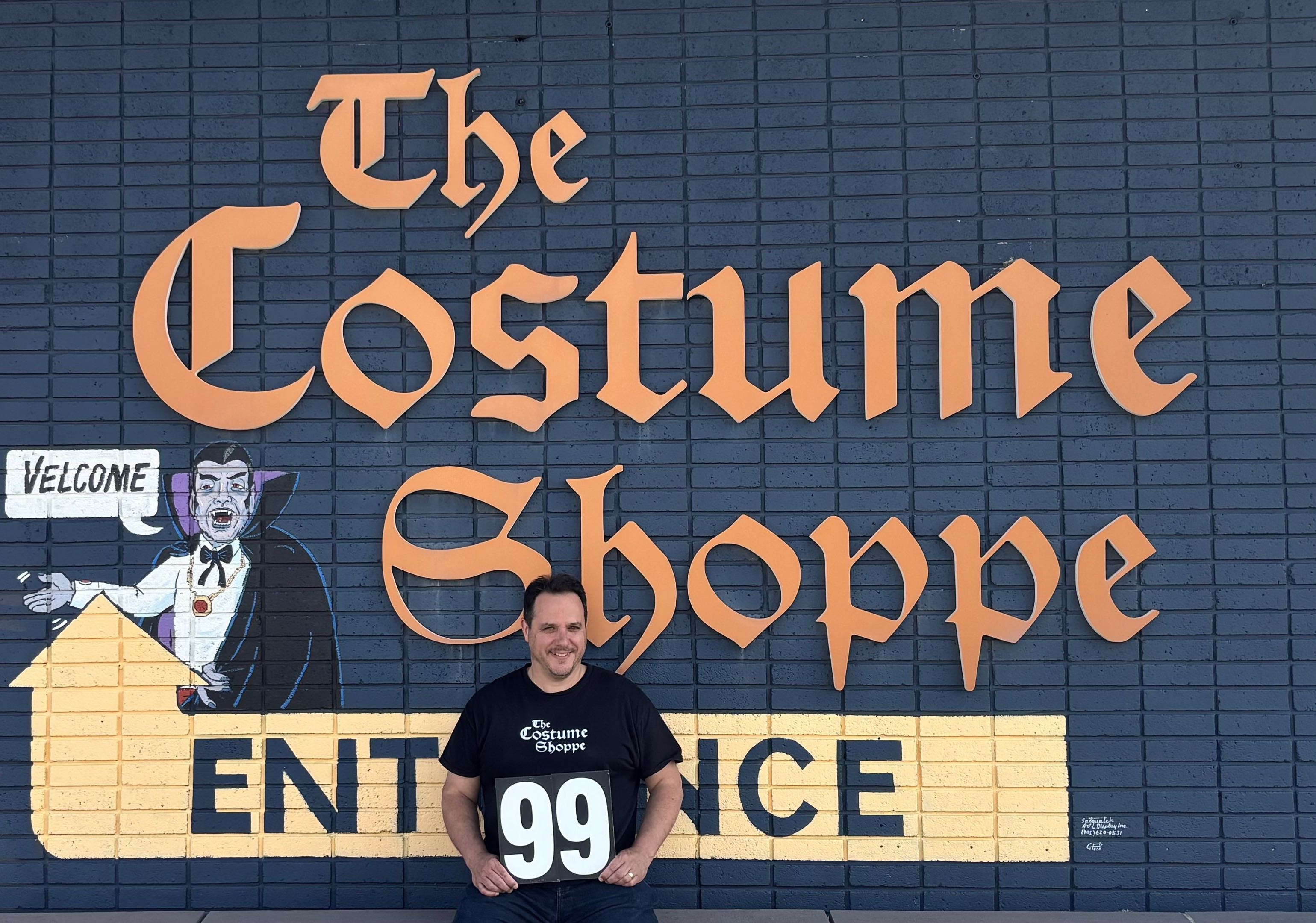
In-store at 4307 Blackfoot Trail SE, Calgary — seven days a week, year-round. Online at thecostumeshoppe.com, with $10 flat-rate same-day delivery within Calgary if you order before noon. Canada-wide shipping available.
Read Post 1 — From Cowboy Hats to Capes
View some costume rentals ideas
Same-day delivery and shipping info
Leave us a Google review
— Ry
Owner, The Costume Shoppe — Calgary’s year-round costume destination since 1994
Frequently Asked Questions
Q: Where did trick or treat originate?
A: The earliest known printed use of the phrase ‘trick or treat’ appeared in Alberta, Canada, in November 1927 — specifically in the communities of Blackie and High River. This has been confirmed by National Geographic, the Smithsonian Institution, Merriam-Webster, and CBC News, among others.
Q: Was trick or treat invented in Canada?
A: The phrase ‘trick or treat’ was first recorded in print in Alberta, Canada, in 1927. While Halloween itself has roots in Celtic and European traditions brought to Canada by immigrants, the specific phrase that defines the modern tradition was first documented on the Canadian prairies.
Q: When was ‘trick or treat’ first printed?
A: November 3rd and 4th, 1927, in The Blackie Times and The Lethbridge Herald in Alberta, Canada. The Calgary Daily Herald published a similar report the same day from High River, Alberta.
Q: What happened in Blackie, Alberta in 1927?
A: Local children went door to door on Halloween night demanding what a local newspaper called ‘edible plunder by the word ‘trick or treat.’’ It is the earliest known printed use of the phrase in the world.
Q: What happened in High River, Alberta in 1927?
A: The Calgary Daily Herald reported children in High River going door to door ‘heavily disguised and demanding ‘trick or treat.’’ High River is approximately 25 kilometres from Blackie — both reports appeared on the same date, suggesting the phrase was already in regional use.
Q: Why is 2027 the 100th anniversary of trick or treat?
A: The earliest known printed use of the phrase appeared in November 1927, making 2027 the centennial year. Alberta, Canada is where the phrase was first documented.
Q: How did trick or treat spread around the world?
A: From Alberta, the tradition spread across Canada through the 1930s, crossed into the United States after World War Two, and was popularized globally through American candy companies and pop culture in the 1950s. The phrase is now recognized in the UK, Ireland, Scotland, Australia, Japan, and many other countries.
Q: Where can I buy Halloween costumes in Calgary?
A: The Costume Shoppe at 4307 Blackfoot Trail SE in Calgary — the Big Blue Building on Blackfoot — carries 15,000+ retail items and 5,000+ professional rental looks year-round. Same-day delivery within Calgary for orders placed before noon. Canada-wide shipping available at thecostumeshoppe.com.
Q: Does The Costume Shoppe offer same-day delivery in Calgary?
A: Yes. Orders placed before noon qualify for $10 flat-rate same-day delivery within Calgary. Canada-wide shipping is also available at thecostumeshoppe.com.
Recent Posts
-

What 1,000 Google Reviews Means to The Costume Shoppe Guy
THE COSTUME SHOPPE 1,000 Google Reviews — What They Taught The Costume Shoppe Guy Allan had technica …Jul 20, 2026 -
Trick or Treat Was Born in Alberta, Canada — The 99-Year Story Behind Halloween’s Most Famous Phrase
Every October, billions of people around the world say the same two words. Trick or treat. The phras …Jul 11, 2026 -

From Cowboy Hats to Capes — Alberta, Canada Is the Home of the World's Greatest Traditions
Calgary is home to the Greatest Outdoor Show on Earth. Every July, the world turns its eyes to this …Jun 30, 2026